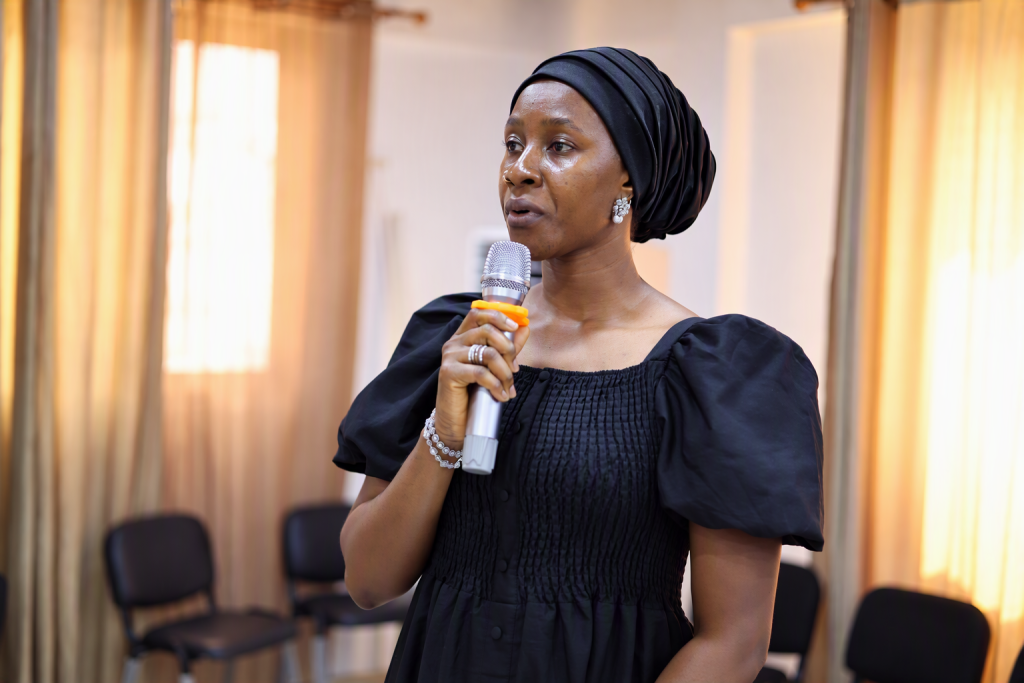
NEC Headquarters, Monrovia, Liberia | Thursday, 24 September 2026
A new analysis of Liberia’s New Elections Law and related legal frameworks has identified persistent barriers limiting the political participation of women, young people, persons with disabilities, and other marginalized groups.
Findings from the analysis were presented to the National Elections Commission of Liberia on Thursday, 24 September 2026, during a dialogue focused on advancing gender equality and social inclusion within Liberia’s electoral system.
Undertaken by the UNDP Liberia Electoral Support Project, in partnership with UN Women Liberia and the National Elections Commission, the analysis examines how existing laws and regulations affect equal access to political participation.
The findings are intended to provide practical guidance for ongoing electoral legal reform and help strengthen Liberia’s commitment to an inclusive democratic process.
The report was drafted in May 2026 by Rebecca Cox, International Consultant, and Cllr. Gerald Yeakula, National Consultant.
Their work reviewed gaps within Liberia’s existing legal and regulatory frameworks and considered reforms that could bring electoral practices into closer alignment with national, regional, and international commitments on gender equality and social inclusion.
Presenting the findings during Thursday’s dialogue, both lead consultants called for measurable action to remove legal and institutional barriers that continue to affect participation by women and other groups that have historically faced challenges in political and electoral spaces.
Their recommendations placed emphasis on practical reforms that can translate legal commitments into greater opportunities for citizens to participate.
Analysis presented during the engagement also pointed to broad stakeholder agreement on the need to accelerate efforts to increase women’s political participation.
Participants further recognized the importance of creating stronger pathways for young people and persons with disabilities to participate fully in electoral activities, political leadership, decision making, and other aspects of democratic life.
Welcoming the dialogue, NEC Commissioner with oversight responsibility for Gender, Josephine Gaye, underscored the importance of institutional support and collective action in advancing equal access to electoral opportunities.
Her remarks reflected a broader recognition that meaningful inclusion requires cooperation among electoral institutions, political actors, civil society, development partners, and citizens.
UN Women Liberia Deputy Representative, Yemi Falayajo, and UNDP LESP Political Parties Campaign Finance Specialist, Dr. Cllr. Aagon Tingba, also called for stronger opportunities for women and marginalized groups to participate meaningfully in elections.
Their interventions reinforced the need for electoral reforms that respond to practical barriers while promoting equal rights and representation.
Both United Nations officials emphasized that gender equality and social inclusion extend beyond national aspirations, noting that they are grounded in international human rights frameworks and connected to commitments under the 2030 Agenda for Sustainable Development.
Their message placed Liberia’s electoral reform efforts within a wider global effort to ensure that democratic institutions provide meaningful opportunities for all citizens.
Speaking on the purpose of the engagement, the UN Women representative said, “We are here to examine the legal and regulatory framework and consider practical recommendations for strengthening inclusion.
” The statement captured the central objective of the dialogue, which is to move from identifying barriers toward developing practical measures that can make electoral participation more accessible and equitable.
Thursday’s dialogue represents another step in Liberia’s continuing electoral reform process, bringing together national institutions and international partners to examine how legal and institutional arrangements can better support inclusive participation.
As reform discussions continue, findings from the analysis are expected to contribute to efforts aimed at strengthening Liberia’s electoral framework and ensuring that women, youth, persons with disabilities, and other marginalized groups have meaningful opportunities to participate in the country’s democratic processes.
#
Related Articles
COMMISSIONERS JOIN GLOBAL ELECTION LEADERS AT A-WEB CONFERENCE IN THE PHILIPPINES
Oct 15, 2026
NEC Liberia, UN Women Advance Gender and Disability Inclusion Through Staff Training
Oct 14, 2026
BEYOND THE BALLOT: NEC LIBERIA EXPLORES AI-DRIVEN SOLUTIONS TO ELECTORAL CHALLENGES
Oct 14, 2026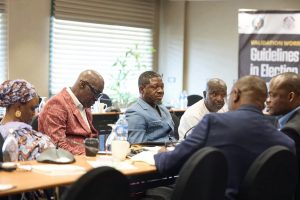
Comments 0