Abuja, Nigeria – 14 October 2026
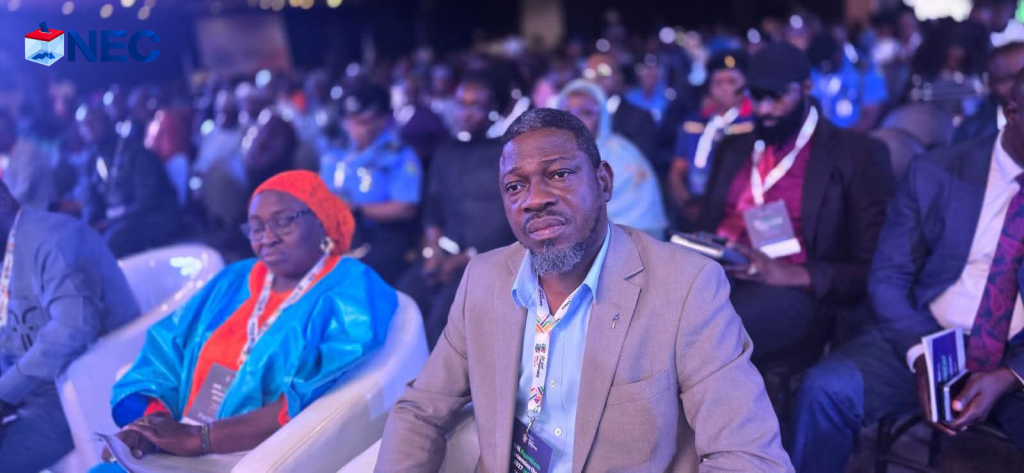
ABUJA, Nigeria, Wednesday, 14 October 2026 – Liberia is joining regional discussions on how Artificial Intelligence (AI) can help protect electoral integrity, improve election administration, and respond to emerging digital threats, as election stakeholders gather in Abuja to examine technology’s growing role in democratic processes.
Representing the National Elections Commission of Liberia (NEC-Liberia) at the conference are Commissioner Barsee Leo Kpangbai and technology expert Mr. S. Isaac Zahn. Their participation brings Liberia into conversations focused on practical opportunities and serious risks associated with using AI throughout the electoral process.
Participants include election administrators, technology specialists, journalists, and democracy stakeholders. Together, they are considering how institutions can adopt useful digital tools while protecting transparency, accountability, and public confidence.
Among the key areas under discussion is the use of AI to strengthen voter education. When responsibly designed and carefully checked, AI-supported tools may help electoral institutions explain voting procedures, answer common questions, and share timely information with different communities.
Election planning is another important focus. Digital tools may help administrators organize information, identify emerging operational concerns, and support evidence-based decisions. Such applications, however, require sound oversight, reliable data, and clear institutional safeguards.
Participants are also examining how technology can help verify information and identify election-related misinformation. In an environment where false claims can spread quickly online, timely verification and clear public communication are essential to ensuring voters can make informed decisions.
At the same time, discussions are addressing the growing risks posed by deepfakes and digital manipulation. Fabricated audio, images, or videos can mislead the public, damage reputations, and weaken trust in electoral institutions if they are not detected and addressed effectively.
Cybersecurity remains another major concern. As election bodies increasingly depend on digital systems and online communication, protecting institutional networks, sensitive information, and essential services is critical to maintaining secure and credible electoral operations.
These issues carry particular importance as Nigeria prepares for its 2027 General Elections. Experiences shared in Abuja may help participating institutions better understand how emerging technologies could affect electoral preparations, public information, and confidence in election outcomes.
For Liberia, the engagement provides an opportunity to learn from regional experiences and assess how responsible technology use could support the country’s own electoral work. It also reinforces the importance of preparing institutions and personnel to respond to evolving digital challenges.
AI is not a substitute for professional judgment, transparent procedures, or public accountability. Its value in election administration depends on careful assessment, human oversight, protection of personal information, and safeguards against bias, misuse, and inaccurate results.
By taking part in these discussions, NEC-Liberia continues to engage with regional perspectives on innovation and electoral integrity. Lessons from the conference can contribute to ongoing consideration of how technology may strengthen voter information, institutional readiness, and public trust in Liberia’s democratic process.
#
Related Articles
COMMISSIONERS JOIN GLOBAL ELECTION LEADERS AT A-WEB CONFERENCE IN THE PHILIPPINES
Oct 15, 2026
NEC Liberia, UN Women Advance Gender and Disability Inclusion Through Staff Training
Oct 14, 2026
LIBERIA PARTICIPATES IN REGIONAL WORKSHOP TO VALIDATE AI GUIDELINES FOR ELECTION ADMINISTRATION IN WEST AFRICA
Oct 12, 2026
Comments 0